

When I started making YouTube videos, the first recorder I bought was a Zoom H1. At the time, I wasn't sure how long I'd keep making videos, so I was hesitant to spend too much on equipment. After reading some positive reviews, I decided to give the Zoom H1 a try.
At first, this little recorder was all I needed. But as I started recording a wider variety of sounds, I gradually found myself needing more equipment. Before I knew it, I had several recorders and microphones.
ZOOM H1
Purchased: August 2016
Price: Approximately KRW 90,000
For the first three or four years, when I still had a lot to learn about recording, the H1 was the only recorder I used.
It was small and light enough to fit in my pocket, and with its built-in microphones, I didn't need to connect any additional equipment. I could simply take it out, turn it on, and start recording.
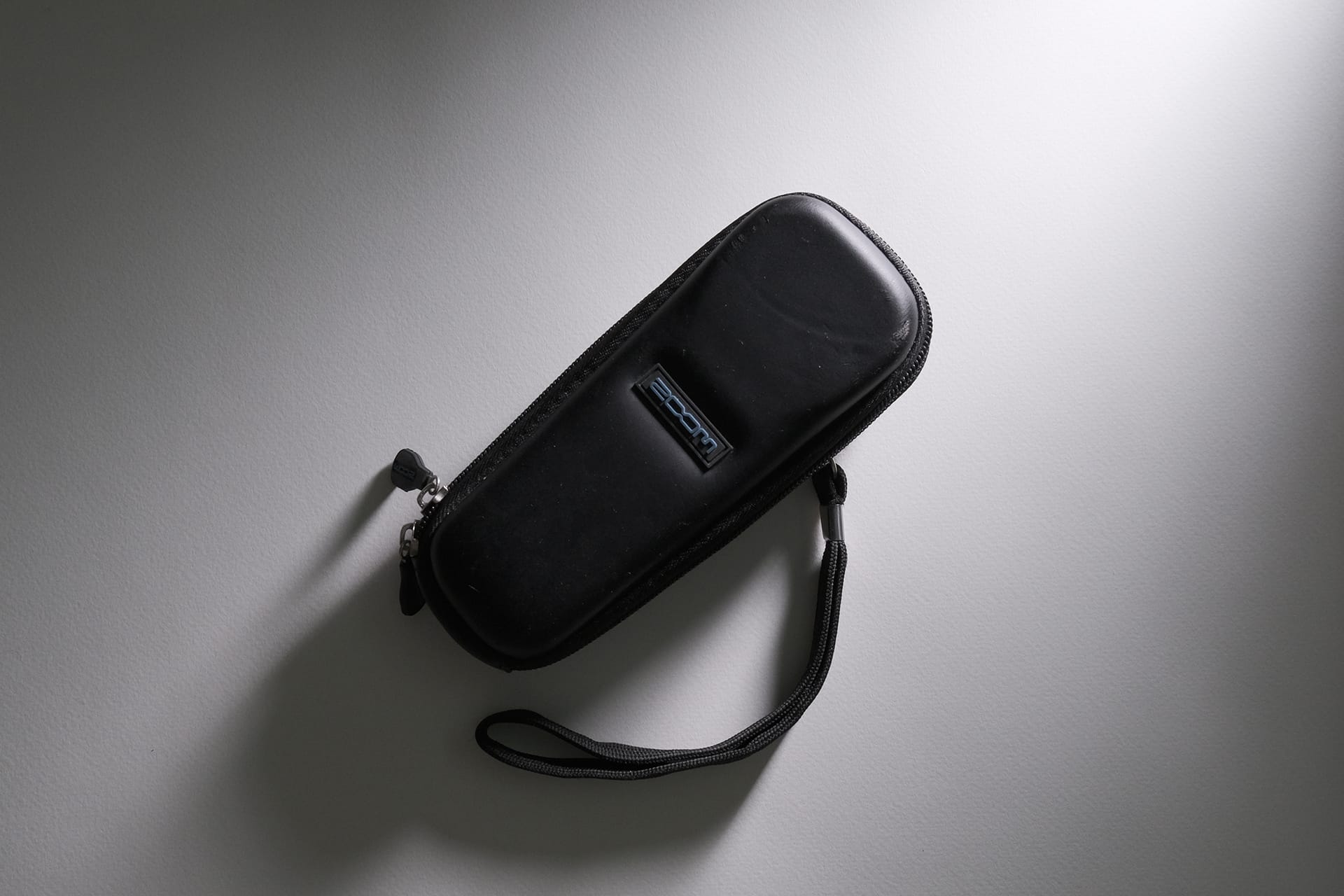
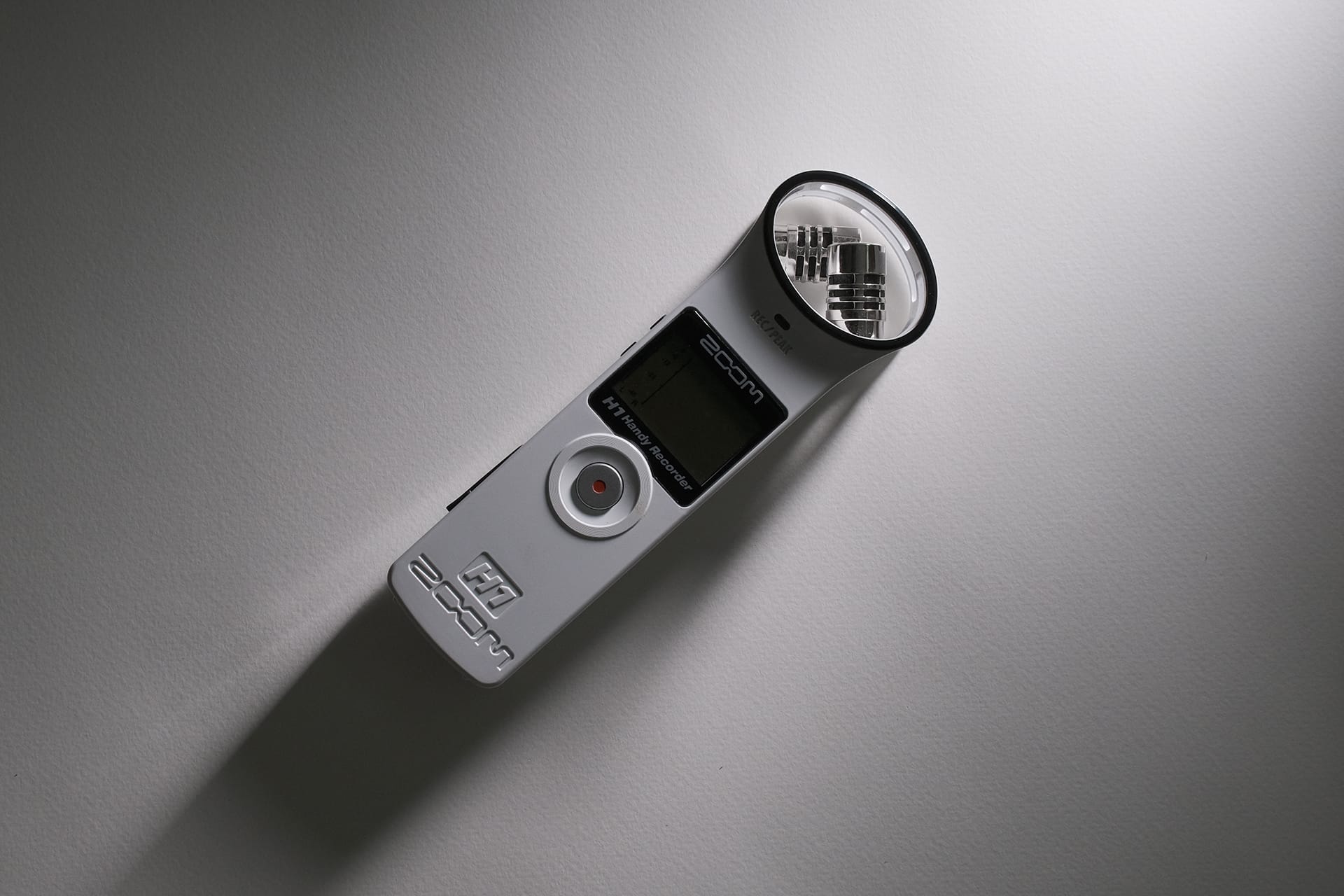
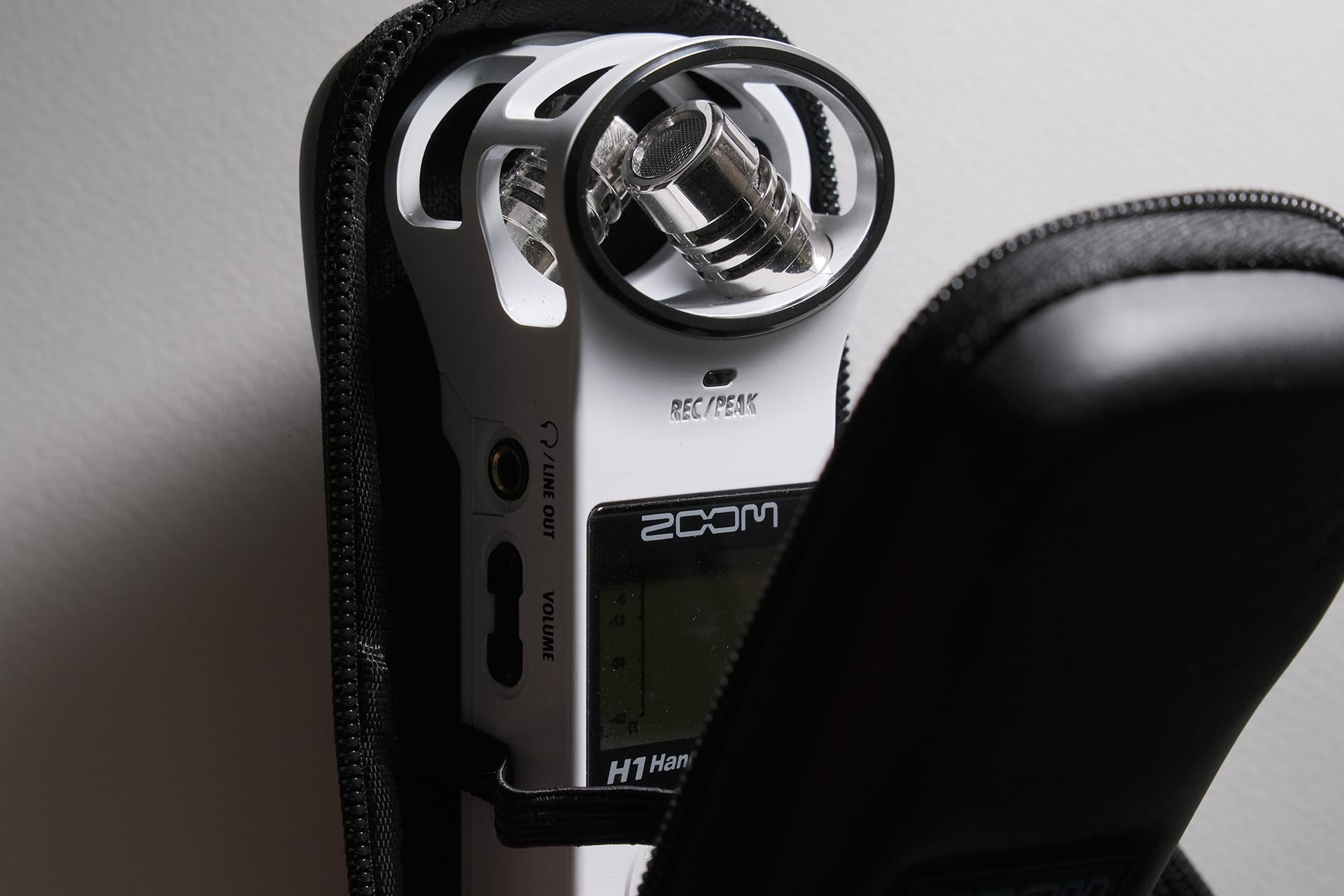
The sound quality was noticeably better than what I could get from the smartphone I was using at the time. As someone using a dedicated audio recorder for the first time, that alone was enough to make me happy.
But as I came across more creative work on YouTube, I gradually began to notice its limitations. When recording ambient sounds, in particular, there was quite a bit of noise, and the recordings sometimes sounded a little harsh and muddy. Still, I could get pretty decent results when recording nearby sounds, as long as I positioned the microphones carefully.
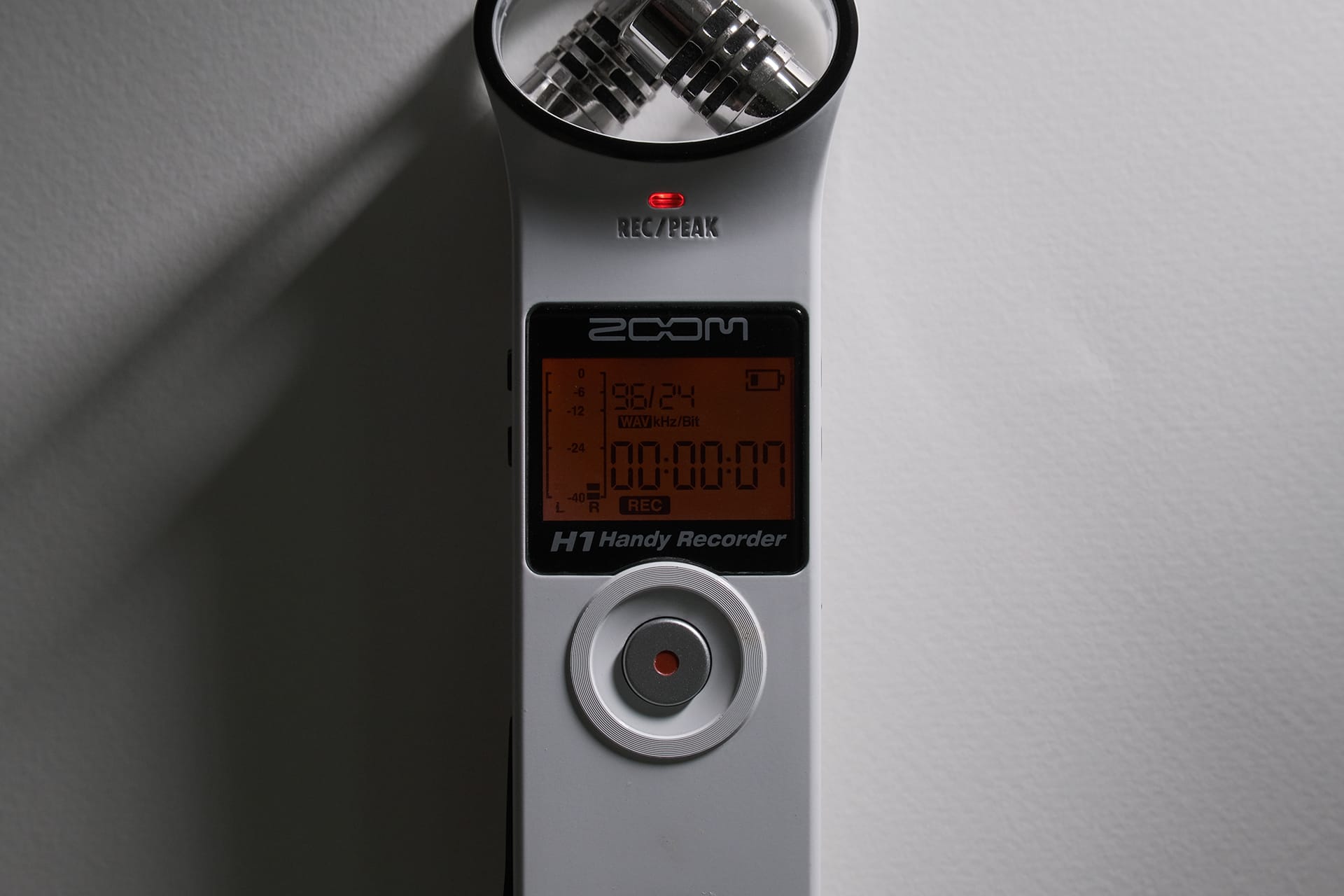
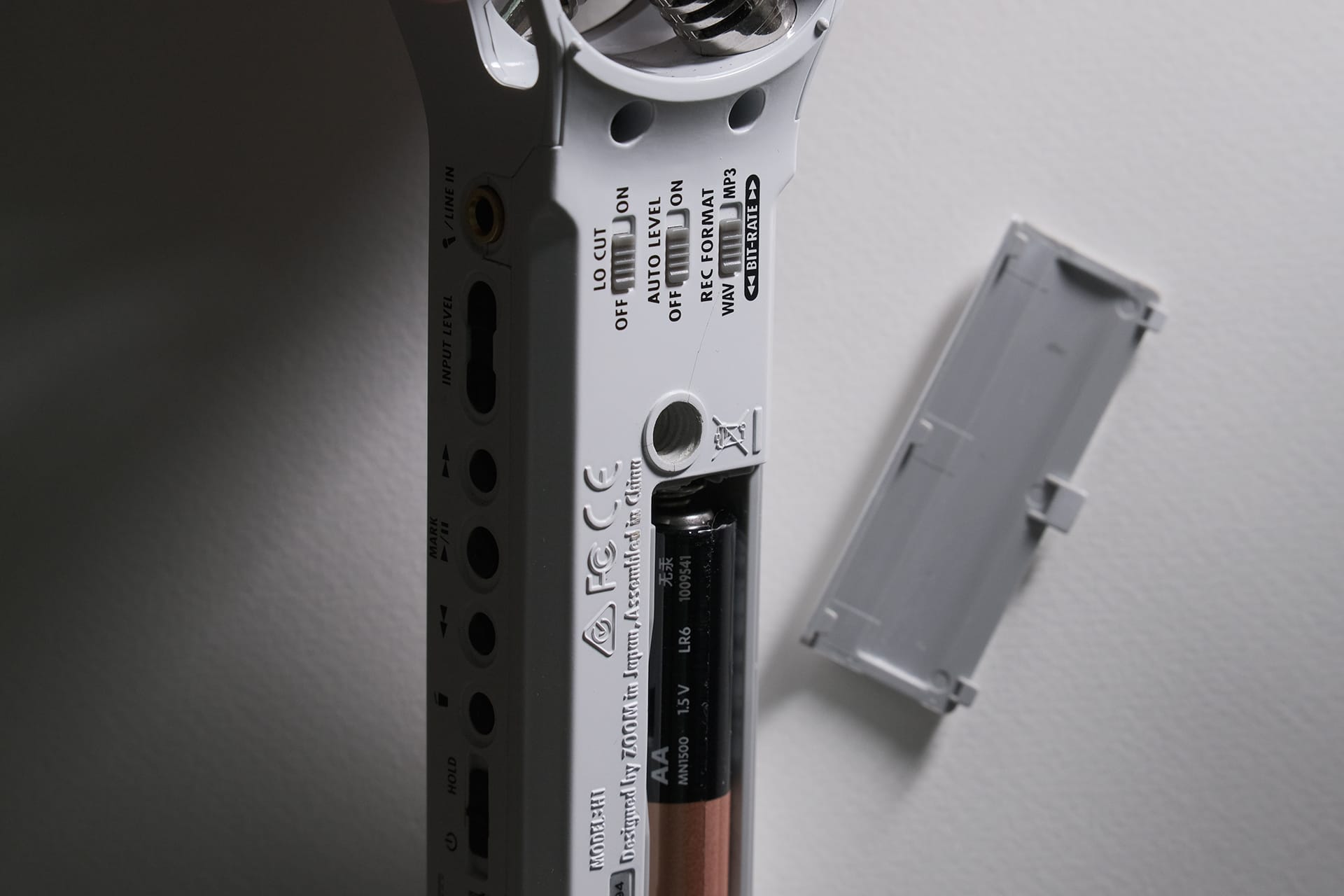
Another disappointment was the plastic threaded tripod socket on the bottom. It wore out fairly quickly, making it difficult to attach the recorder securely to a tripod.
These days, the H8 is my main recorder, so I don't use the H1 very often. But I still take it out occasionally when I want to travel light.
Looking back, the H1 offered the best value for money of any recording equipment I've purchased. I made more than 100 videos with it, and it was the tool that stayed with me the longest as Winter Whale grew into the channel it is today.
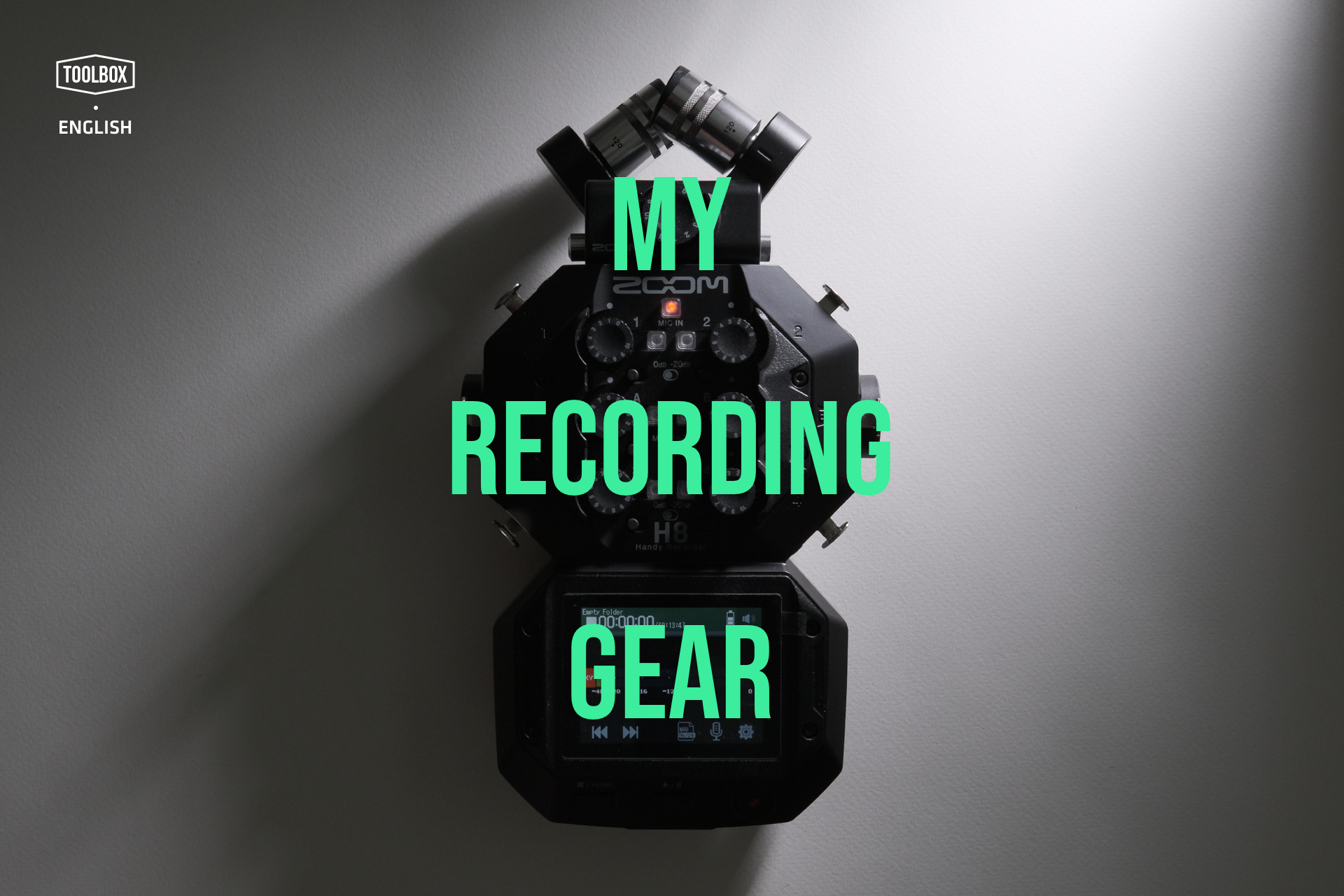
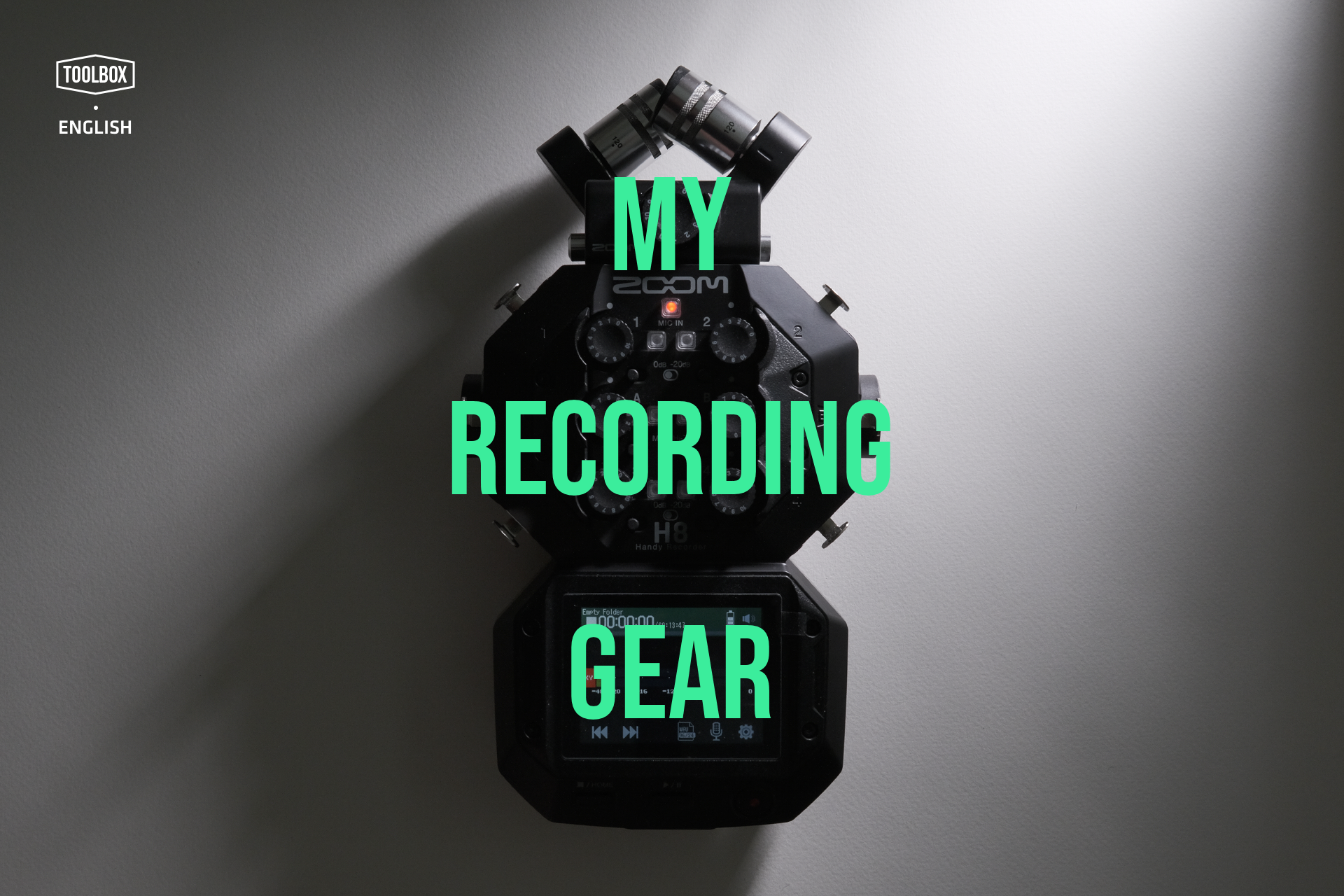
ZOOM H8 + XYH-6
Purchased: June 2022
Price: KRW 588,000
I bought the H8 because I wanted to improve the sound quality of my content.
I'd originally planned to buy the H6, but there was a promotion that let me get the H8 for just a little more money. I couldn't resist and ended up choosing the H8.
At first, I was happy to have gotten a higher-end model at a good price. But once I started using it, I found it larger and heavier than the H6 without offering much of a noticeable difference for my particular needs. For a while, I wondered whether I should have bought the H6 instead.
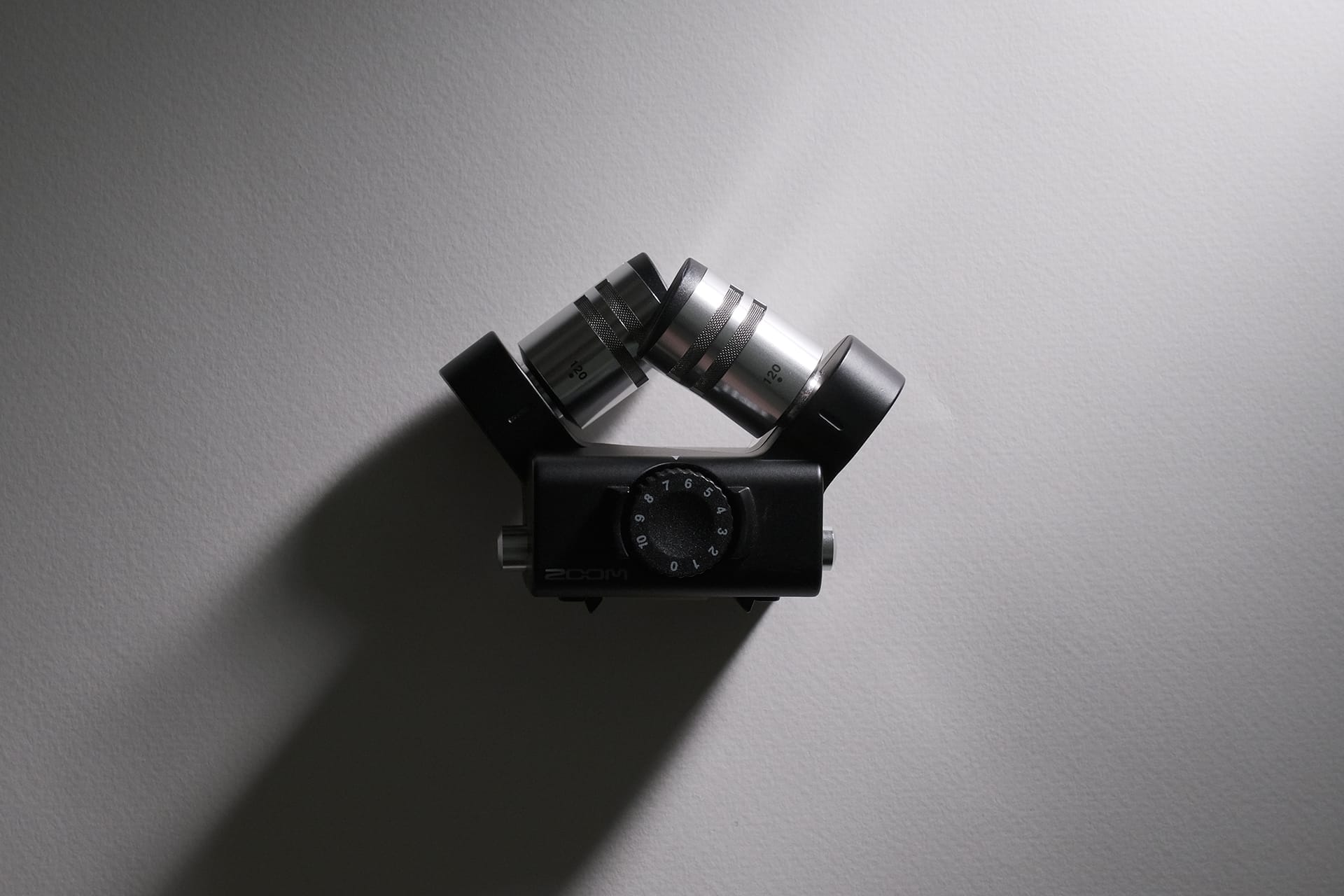
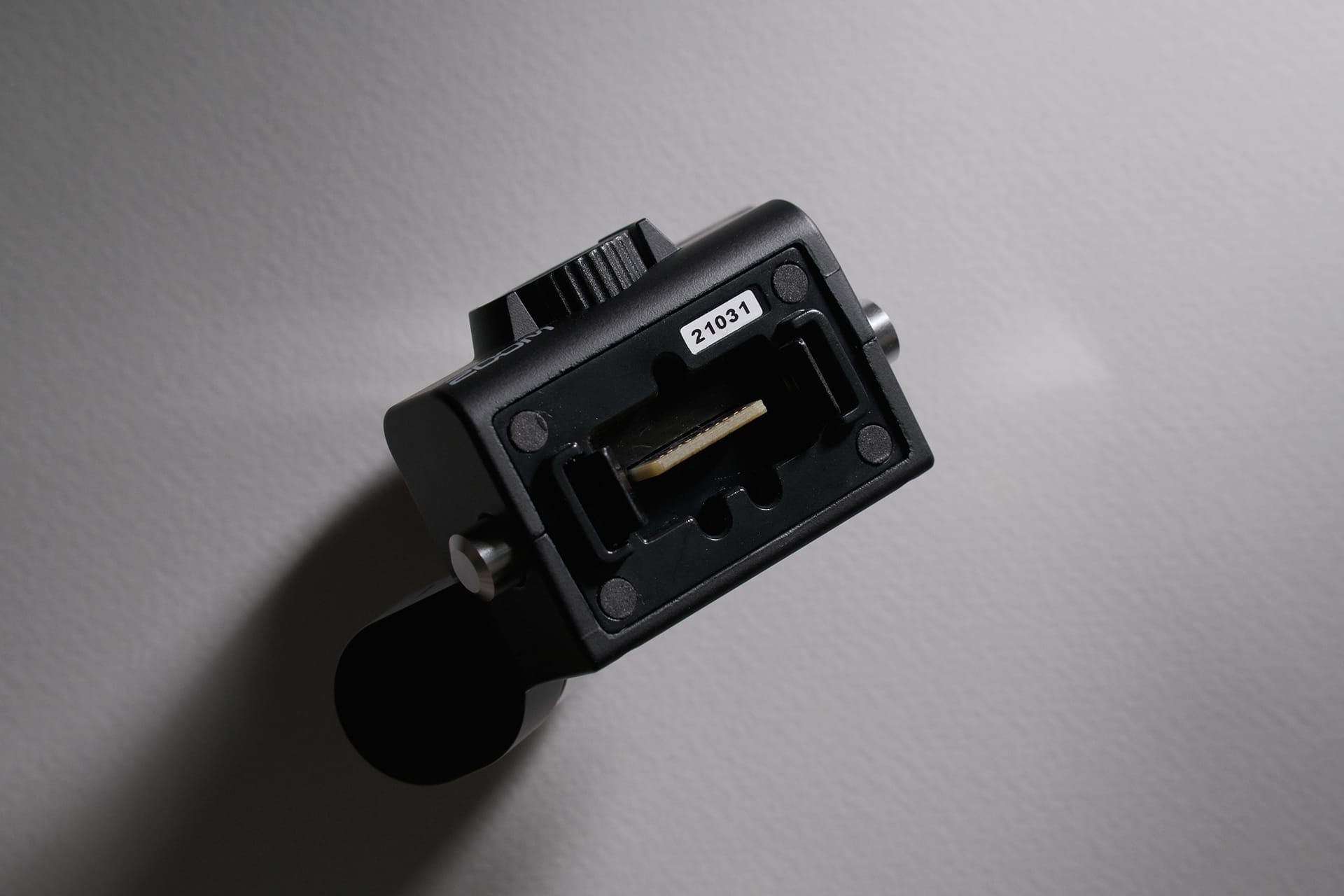
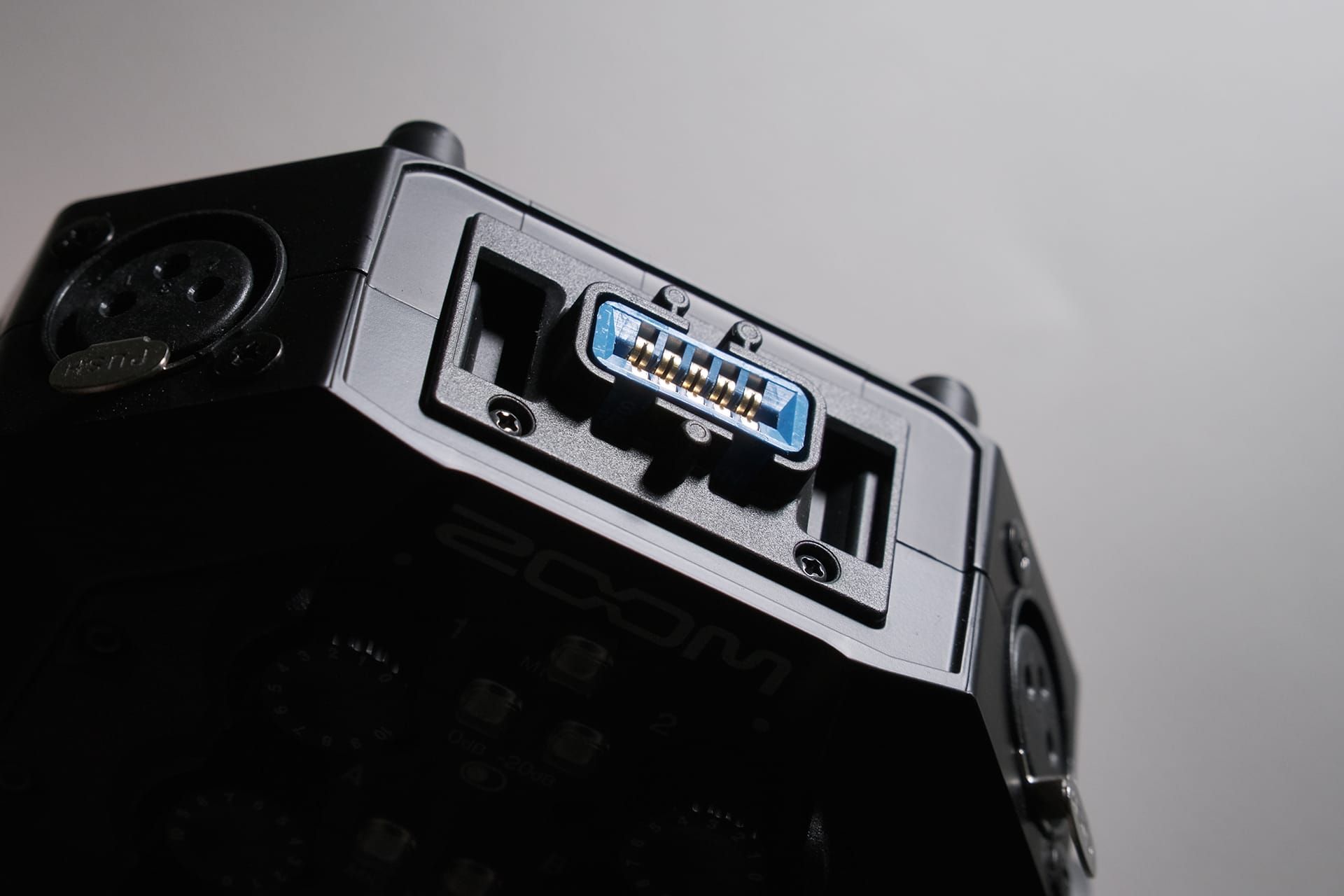
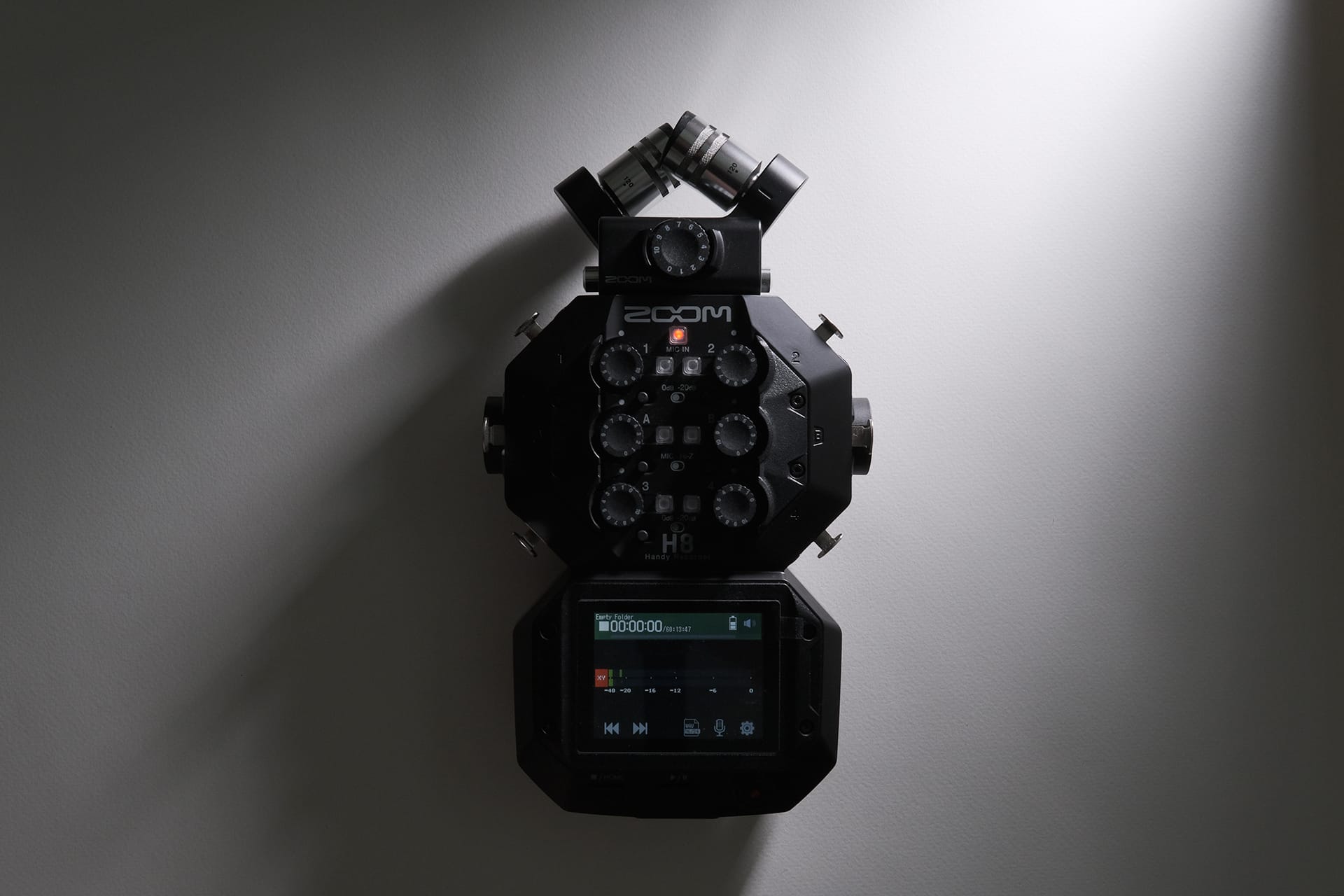
The H8 allows you to swap out the microphone capsule on top depending on what you want to record. It comes with the XYH-6 stereo microphone capsule.
The XYH-6 uses an XY stereo configuration, with two directional microphones positioned close together at an angle. You can adjust the angle between them to either 90° or 120°. The 90° setting produces a relatively narrow stereo image, while 120° captures a wider sense of space.
It's convenient to be able to start recording without connecting any separate microphones or cables.
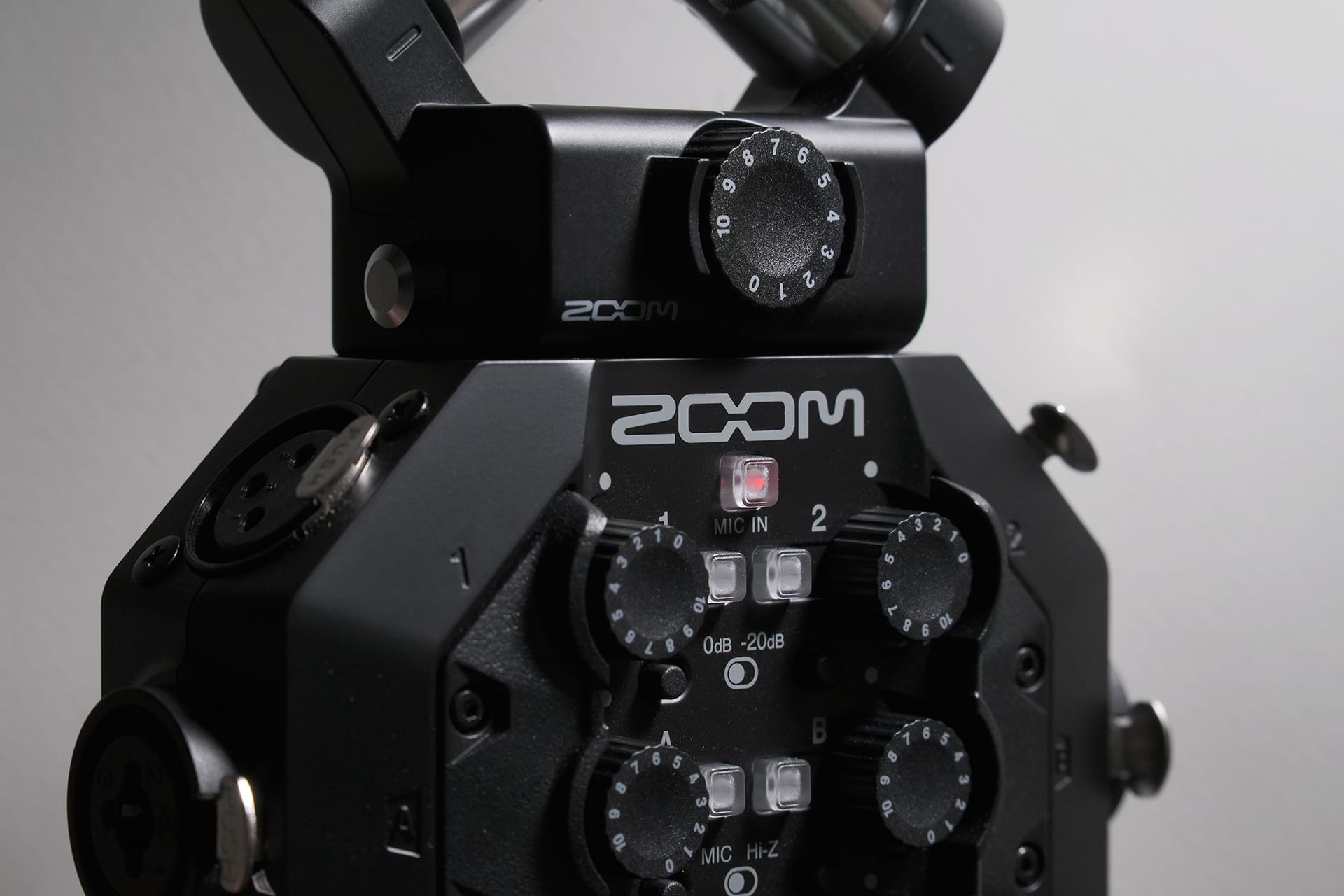
The H8 also has six XLR inputs, allowing multiple external microphones to be used simultaneously.
This means I can capture the overall ambience of a space with the XYH-6 while using external microphones to record specific sounds up close. Being able to record each sound on a separate track is another major advantage.
Compared to the days when I recorded everything with a single H1, I now have far more options for how I approach a recording.
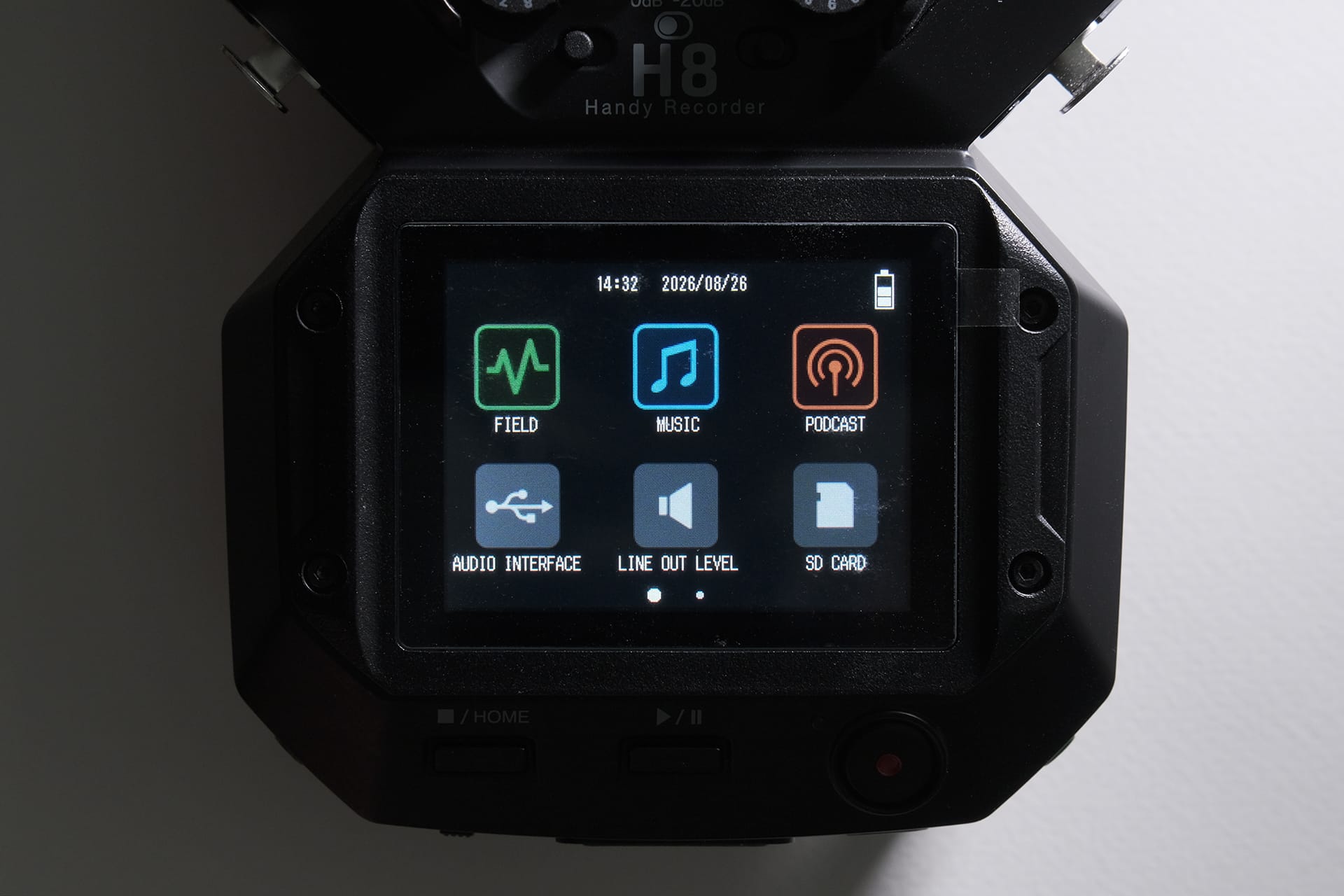
The H8 has three built-in apps: Field, Music, and Podcast. Each provides a different interface and set of features depending on the recording purpose. I use Field for most of my work.
I have noticed one frustrating issue, though. I'm not sure whether it affects every H8 or just my unit, but when I use condenser microphones and the included microphone capsule at the same time, I sometimes get a high-pitched interference noise in my recordings. It sounds something like "beep... beep-beep... beep..."
Turning off the included microphone capsule solves the problem, but if those noises end up in a recording, they can be difficult to remove during editing. Since it doesn't happen all the time, I've continued using the H8 despite the issue.
Even with this drawback, the H8 remains my main recorder. I currently record most of the sounds used in my YouTube videos with it.
I'd like to try the H5studio someday. It's smaller and easier to carry than the H8, and its improved recording capabilities are appealing.
ZOOM SSH-6
Purchased: June 2022
Price: KRW 150,000
This is a Mid-Side (MS) stereo shotgun microphone that I bought alongside the H8.
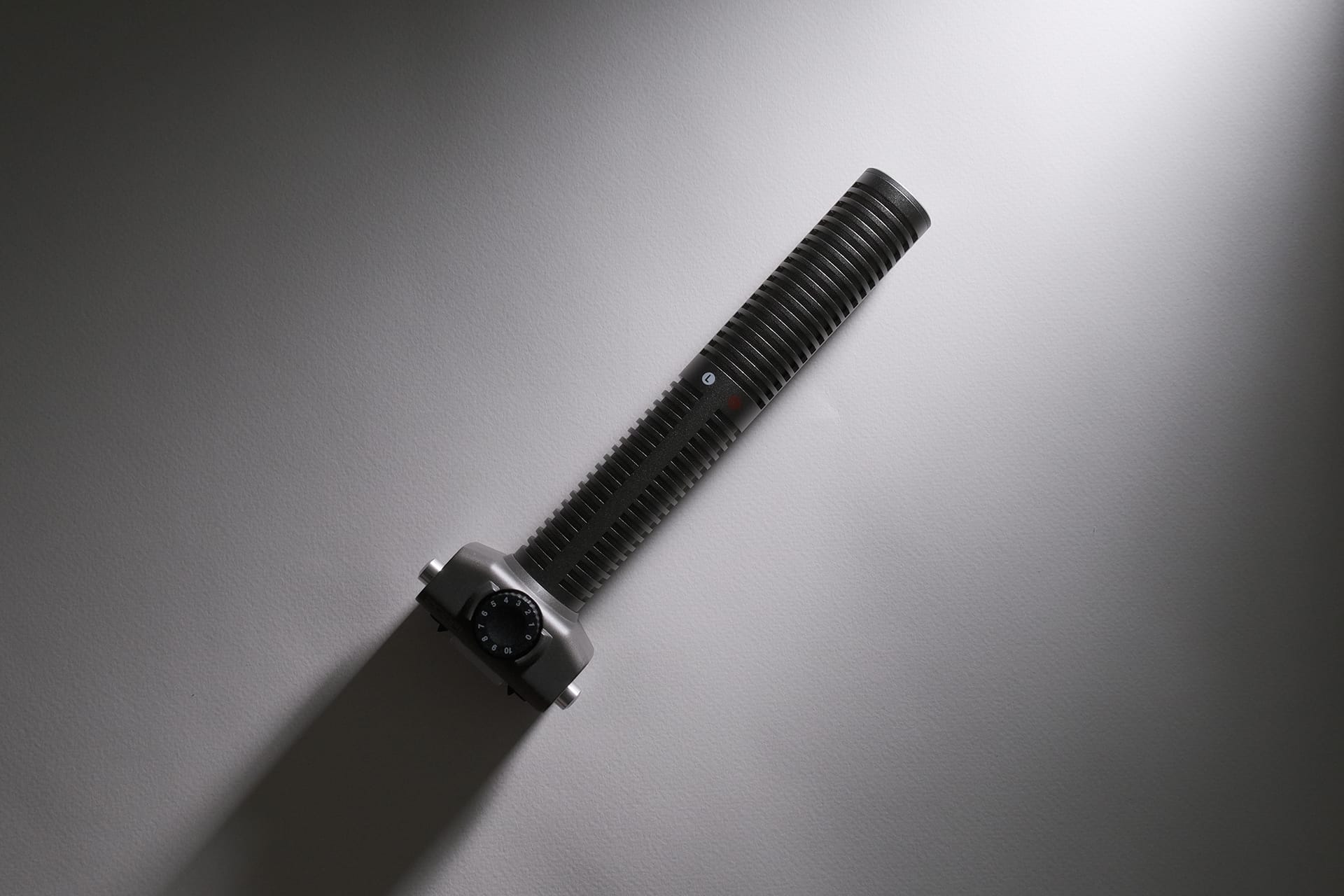
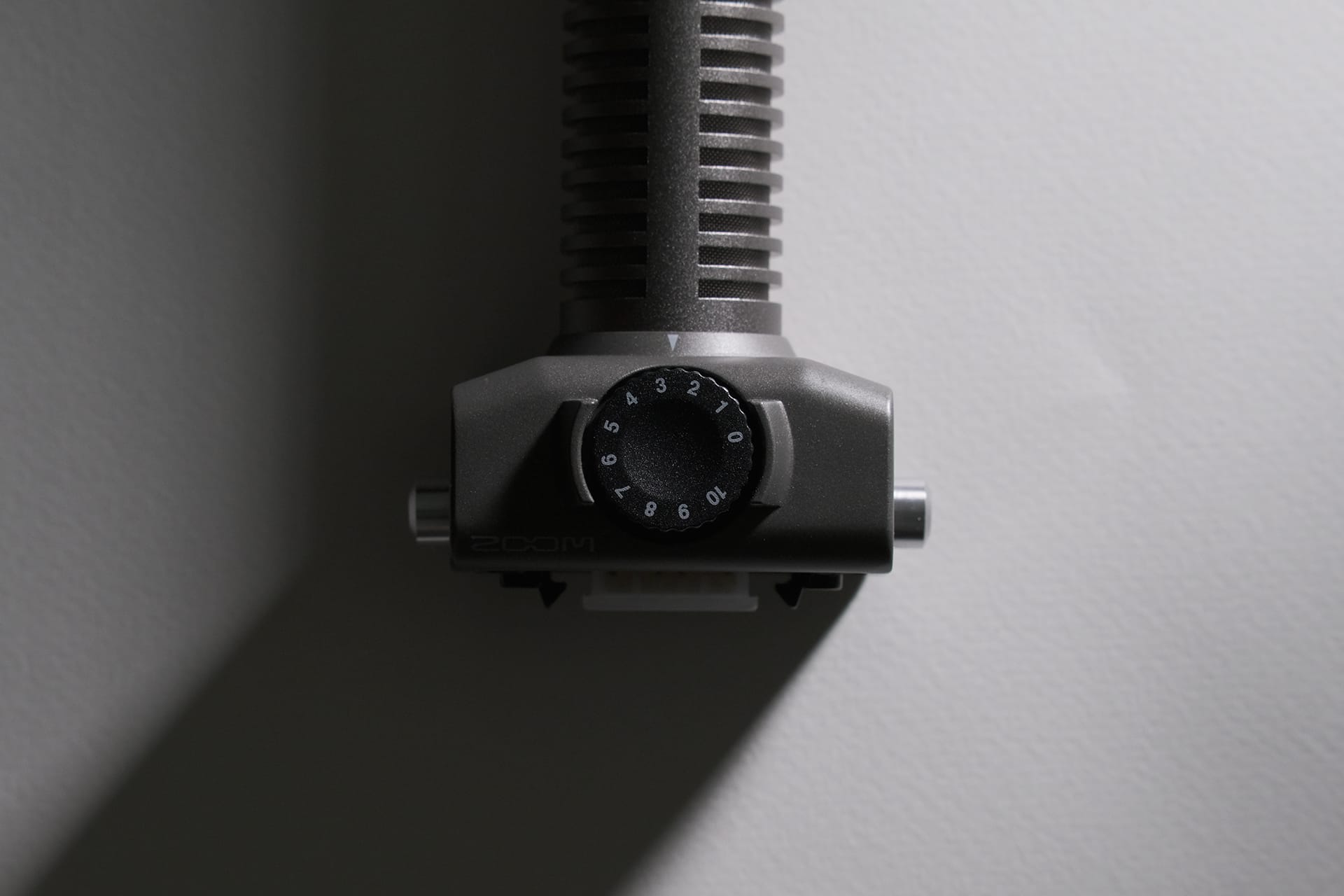
It combines a highly directional Mid microphone that focuses on sounds coming from the front with a bidirectional Side microphone that captures sounds from the left and right. By combining these two signals, it can emphasize sounds coming from a particular direction while also capturing the surrounding ambience in stereo.
For the kind of content I create, capturing a sound clearly is important, but so is preserving the atmosphere of the space where that sound exists. That's why I thought this approach would suit my work better than a conventional mono shotgun microphone.
These days, I use it to record sounds coming from a particular direction, such as crickets, cicadas, and birds, while also capturing the surrounding ambience.
Interharmonics Geophone
Purchased: April 2024
Price: KRW 330,000 (including shipping and import fees)
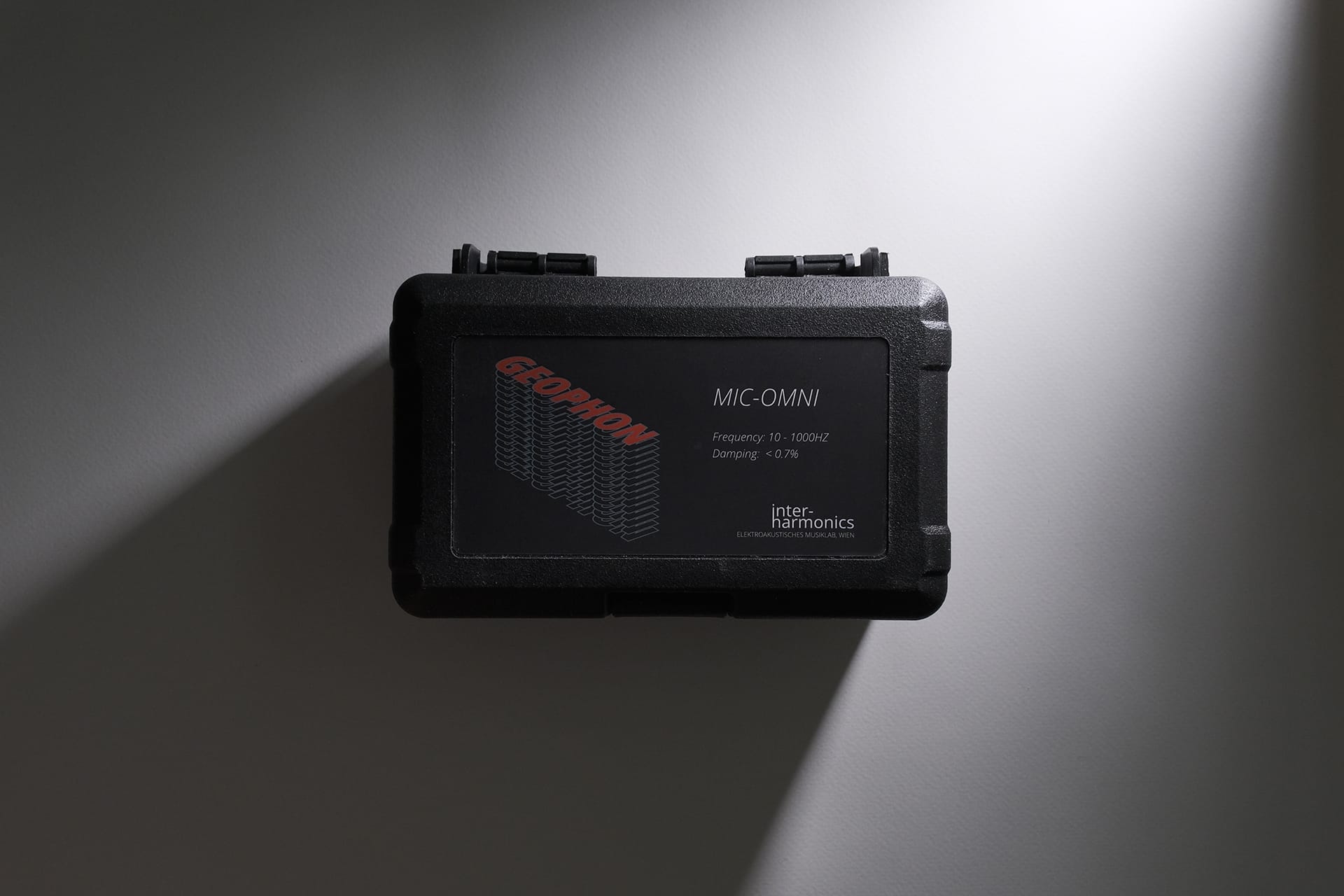
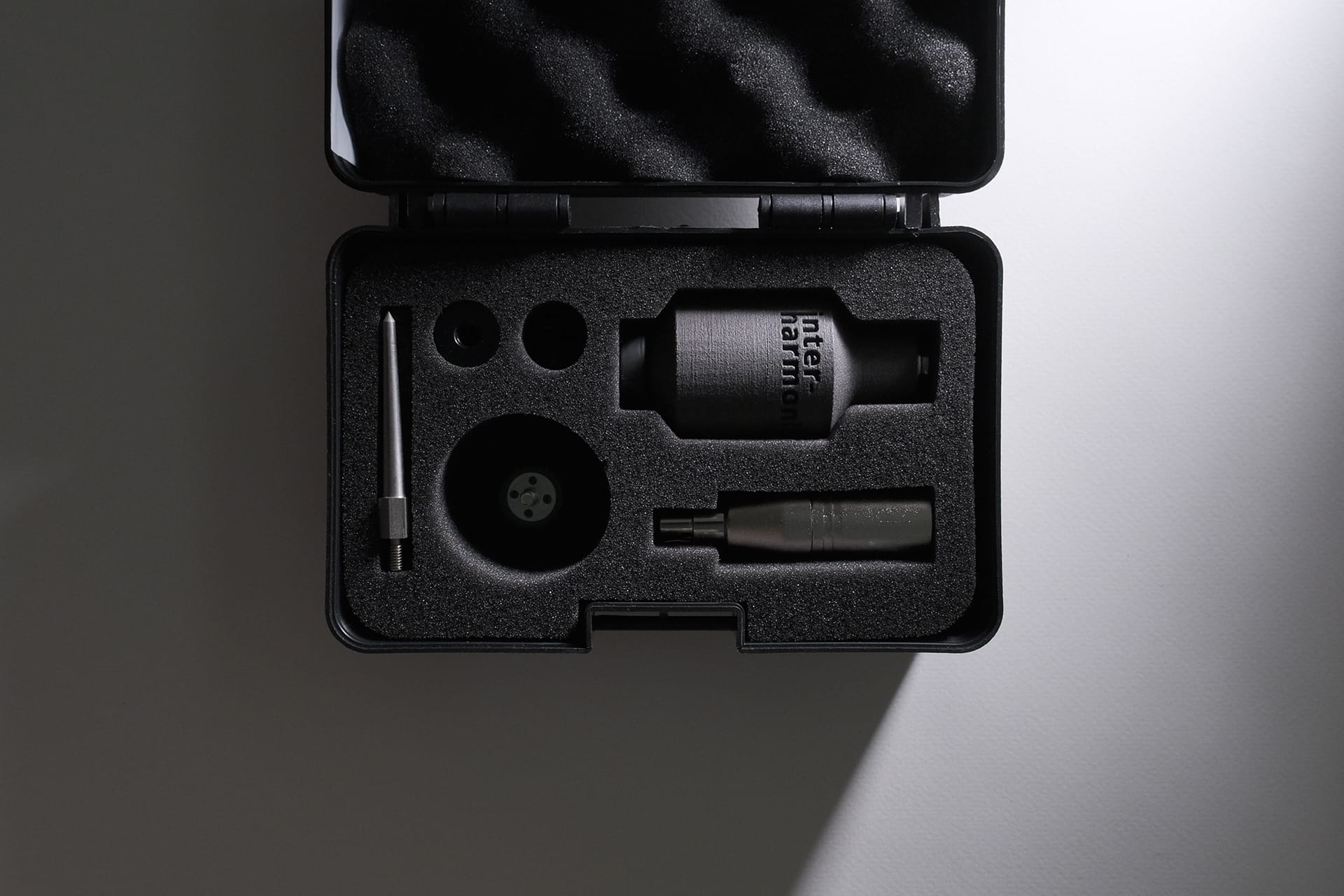
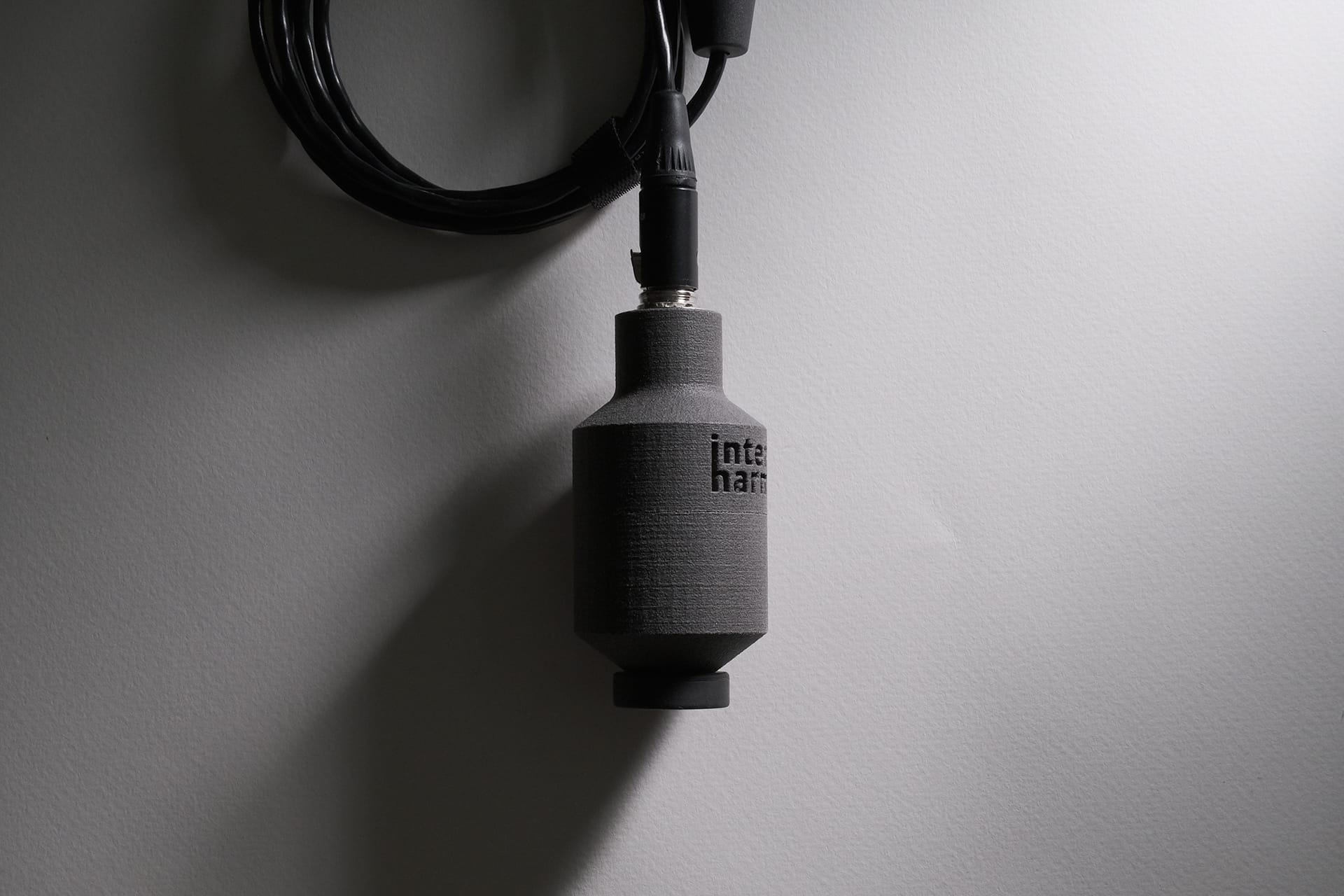
Unlike conventional microphones, which capture sound traveling through the air, a geophone converts vibrations from the ground or physical objects into electrical signals that can be recorded.
I bought it because I wanted to record unusual sounds that I wouldn't normally be able to hear.
I use it by placing it directly against vibrating objects, such as household appliances like fans and washing machines, trees swaying in the wind, or bridges with heavy traffic.
Different attachments, including magnetic, rod-shaped, and suction mounts, can be fitted to the front depending on the recording situation.
I've used it to create sci-fi ambience, and recording sounds in such a different way was an interesting experience.
sE Electronics sE8 Pair
Purchased: May 2024
Price: KRW 693,100
I bought these microphones after I began to feel limited by the Zoom H8's included microphone capsule.
The sE8 is a small-diaphragm condenser microphone with a cardioid polar pattern. I chose it because I liked its relatively flat frequency response, without too much emphasis on any particular frequency range. I bought a matched pair and have been using them for various recordings.
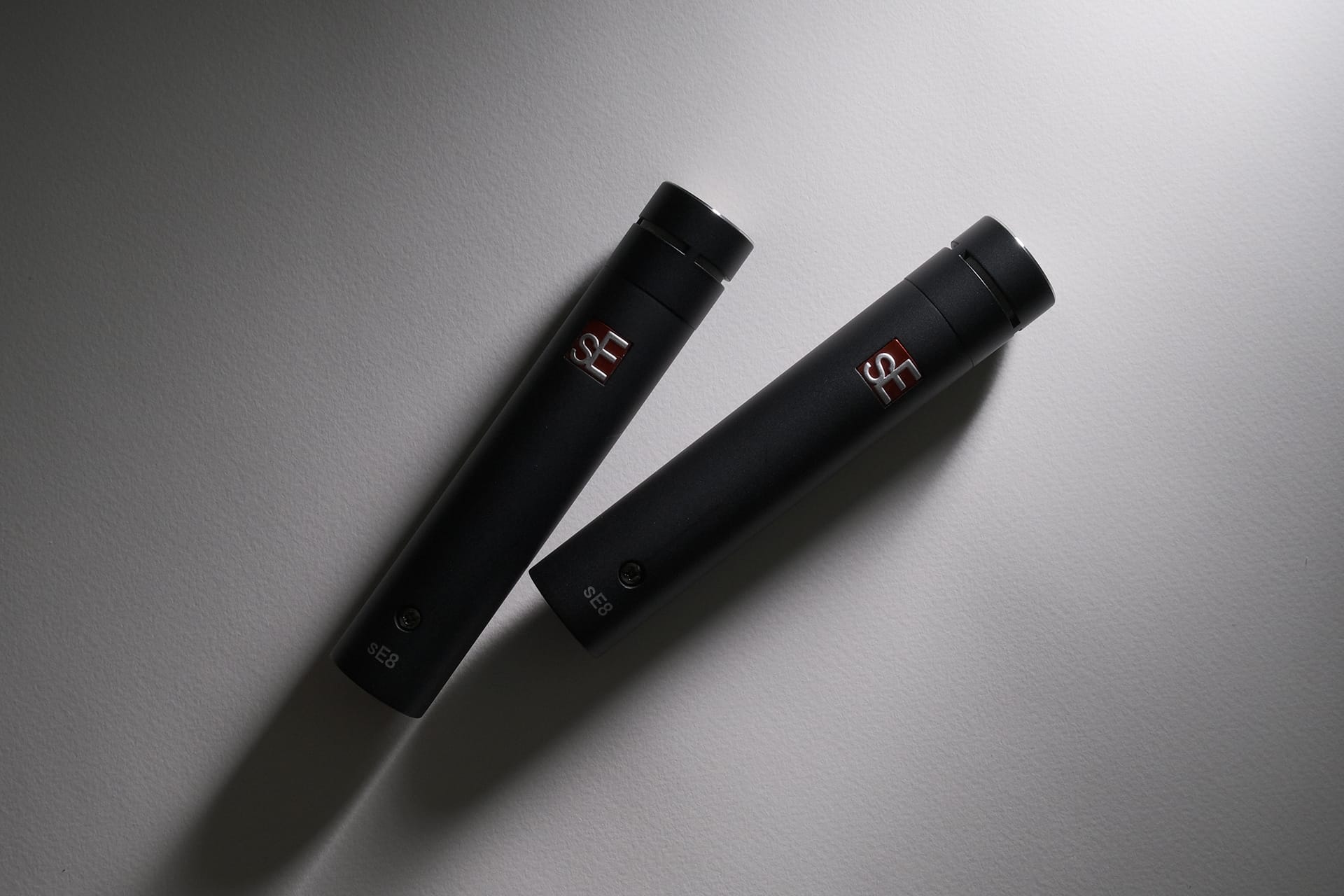
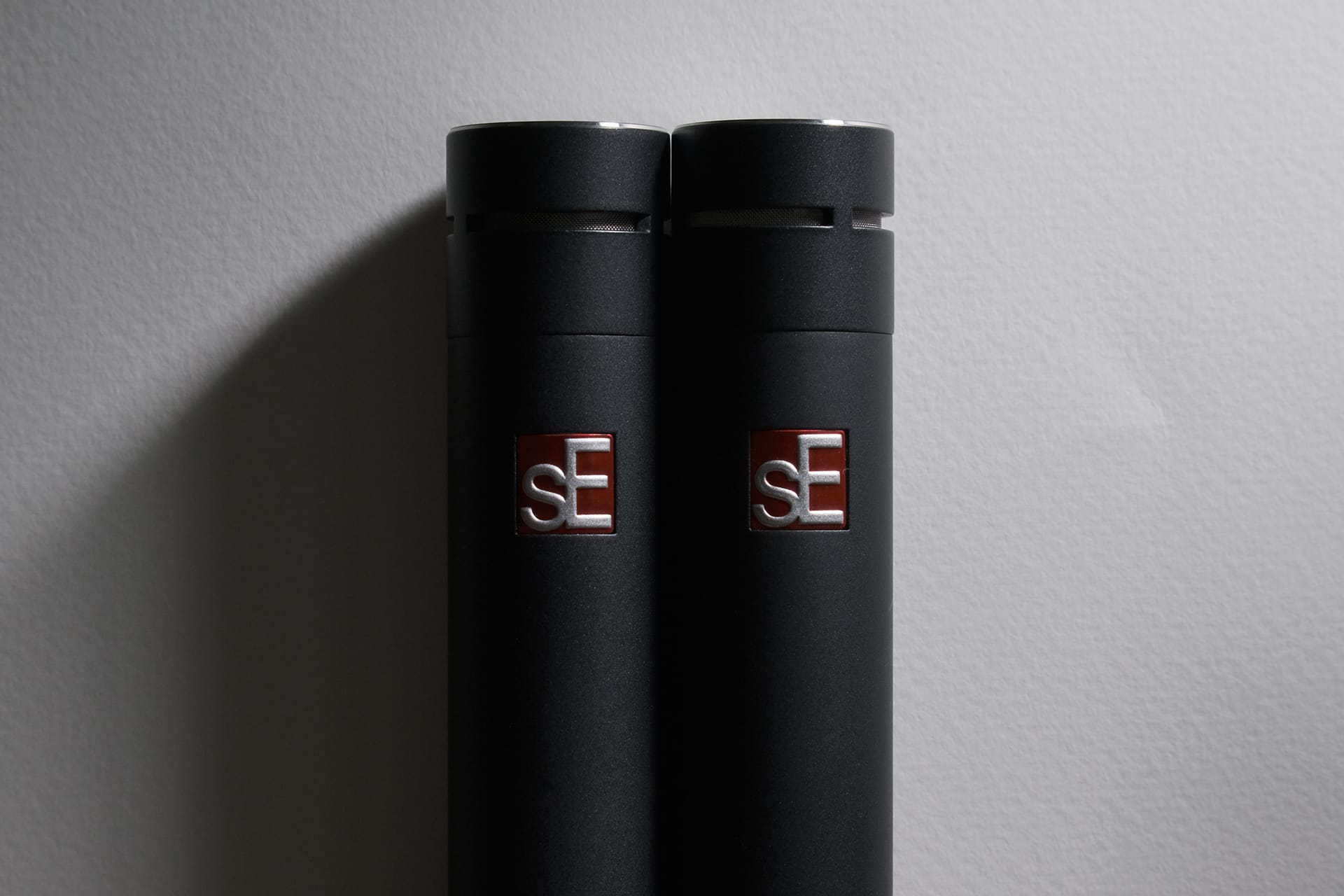
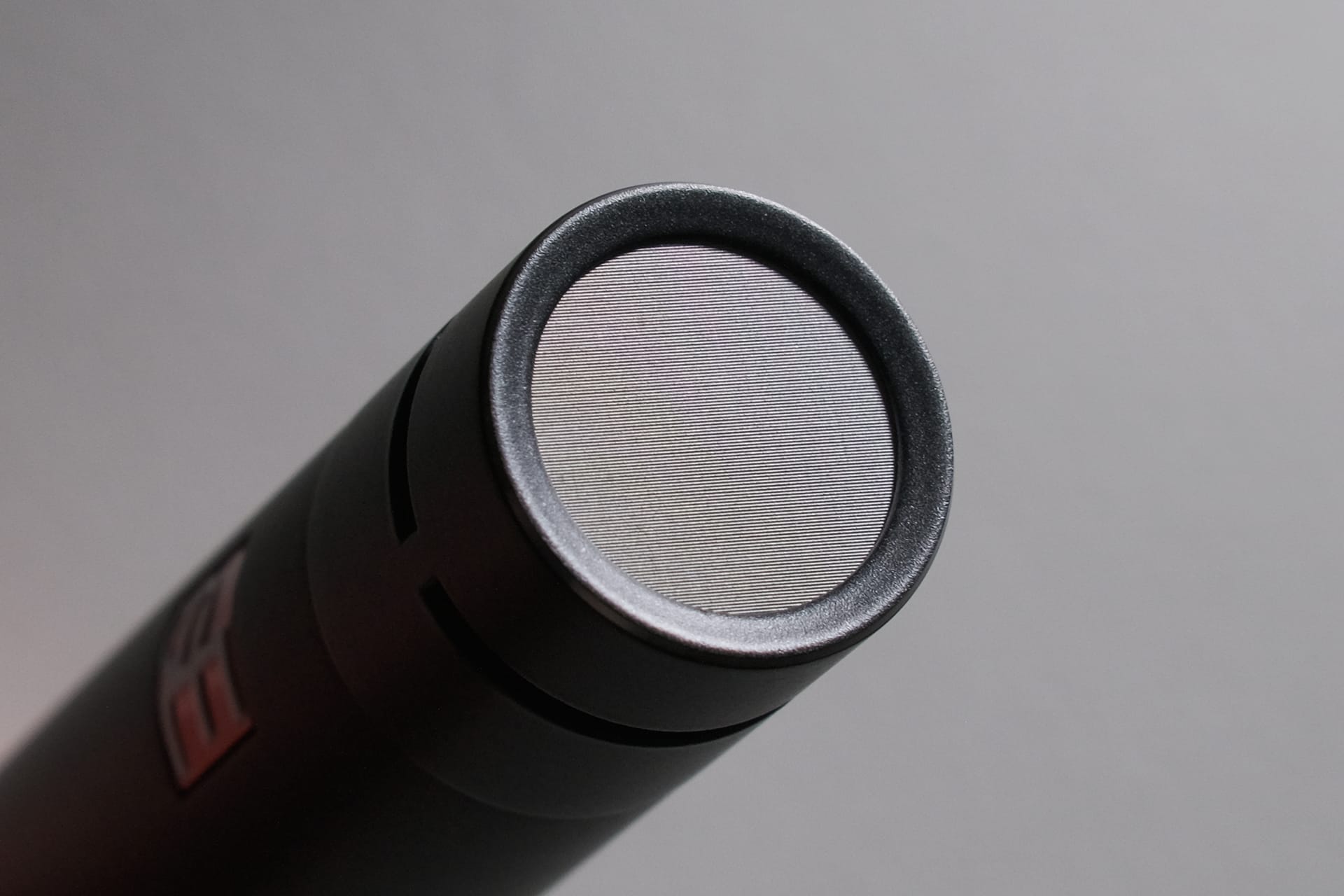
The sE8s were also the first condenser microphones I'd ever used. When I listened to my first recording with them, I felt a little thrill.
I liked how small and easy to carry they were, but what impressed me most was their natural sound.
After more than two years of use, that natural character is still what I appreciate most. They capture even subtle sounds with great detail, without making them feel overly processed. That makes them well suited to my work, where I use sound to create a sense of space and atmosphere.
The excitement I felt at first has gradually turned into familiarity. These days, I sometimes find their relatively neutral character a little plain. Still, I've never felt that their performance was lacking.
Whenever I research field recording equipment, I frequently come across the Sennheiser MKH series. The MKH 8020 and 8040, in particular, are microphones I'd love to try someday.
However, buying two of them as a stereo pair would cost considerably more than my current sE8 pair. They're beyond what I'm willing to spend right now, but I'd love to try them if I get the chance.
Until then, I think the sE8s will remain my main microphones.
Read the original article in Korean: https://www.ianfinity.blog/toolbox_001/


Discussion